
Biblical Background
In the Bible, the word “dragon” appears primarily in older English translations such as the King James Version (KJV). Modern translations like the NIV, ESV, and CSB often use terms such as “jackal,” “sea monster,” “great sea creature,” or “serpent,” depending on the original Hebrew or Greek word and the context.
The most significant dragon appears in Revelation 12:9 (NIV):
“The great dragon was hurled down—that ancient serpent called the devil, or Satan, who leads the whole world astray…”
Here, the dragon is clearly identified as Satan. This is symbolic language found in apocalyptic literature, using vivid imagery to describe the spiritual conflict between God and the forces of evil.
The number seven is one of the Bible’s most important symbolic numbers. It often represents completeness, fulfillment, or divine perfection. In Revelation, we read about seven churches, seven seals, seven trumpets, seven bowls, and many other groups of seven. However, Scripture never speaks of “seven dragons.”
One related passage is Revelation 12:3 (NIV):
“Then another sign appeared in heaven: an enormous red dragon with seven heads and ten horns and seven crowns on its heads.”
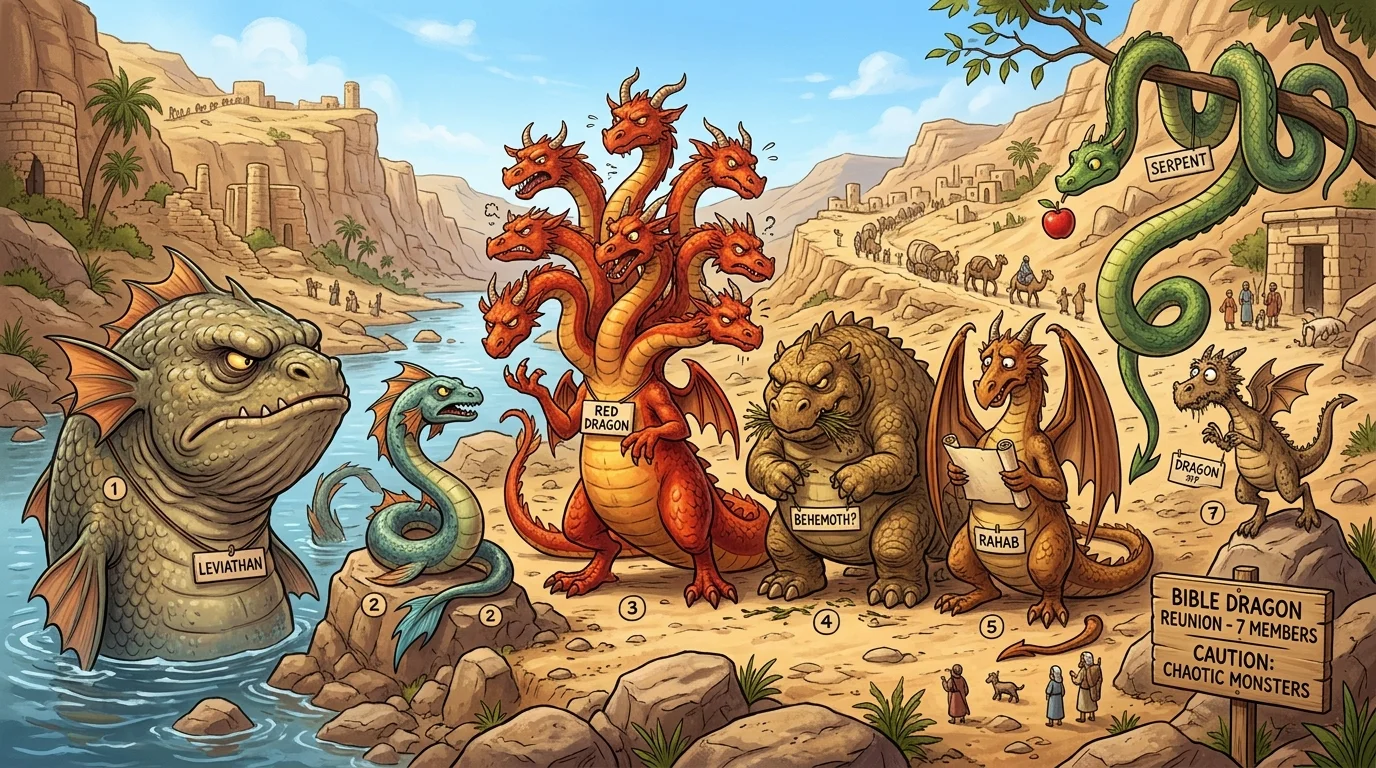
Notice that this is one dragon with seven heads, not seven separate dragons. The seven heads symbolize authority, completeness, or the fullness of worldly opposition to God—not seven individual dragon beings.
Key References from Core Bible Books
Genesis: The Promise of Victory Over Evil
Genesis introduces the serpent that tempted Adam and Eve. Genesis 3:15 (NIV) says,
“And I will put enmity between you and the woman… he will crush your head, and you will strike his heel.”
Genesis is relevant because it begins the biblical story of humanity’s conflict with evil and God’s promise of ultimate redemption through Christ.
Psalms: God Rules Over Every Power
Psalm 74 celebrates God’s supreme authority. Psalm 74:13–14 (NIV) says,
“It was you who split open the sea by your power; you broke the heads of the monster in the waters.”
The Psalms use poetic imagery to show that no force of chaos or evil can stand against the Lord.
Isaiah: God’s Victory Over Leviathan
Isaiah contains symbolic language about God’s final triumph. Isaiah 27:1 (NIV) says,
“In that day, the LORD will punish with his sword… Leviathan the gliding serpent… he will slay the monster of the sea.”
Isaiah reminds believers that God’s justice will ultimately defeat every enemy.
Revelation: The Dragon’s Defeat
The book of Revelation provides the clearest dragon imagery. Revelation 12:9 (NIV) identifies the dragon as Satan and describes his defeat through God’s sovereign plan.
Revelation is especially important because it assures Christians that evil has a limited future and that Christ will reign forever.
Spiritual Interpretations
The Dragon Represents Spiritual Opposition
Revelation 12:9 (NIV)
“The great dragon was hurled down—that ancient serpent called the devil, or Satan…”
The dragon symbolizes Satan and his opposition to God’s kingdom. Believers should understand this imagery as a reminder of spiritual warfare, while taking comfort that Christ has already secured the ultimate victory through His death and resurrection.
God Is Greater Than Every Enemy
Isaiah 54:17 (NIV)
“No weapon forged against you will prevail…”
No matter how frightening biblical symbols may appear, they always point to God’s greater authority. Christians can live with confidence because the Lord is stronger than every force of evil.
The Number Seven Reflects Completeness
Genesis 2:2–3 (NIV)
God completed creation in seven days and blessed the seventh day.
Throughout Scripture, seven symbolizes completion or fullness. The dragon’s seven heads in Revelation do not indicate seven dragons but rather symbolize the fullness of worldly power opposing God before its final defeat.
Christ Is the Final Victor
John 16:33 (NIV)
“In this world you will have trouble. But take heart! I have overcome the world.”
Every symbolic battle in Scripture ultimately points to Jesus Christ. The message of Revelation is not fear but hope, because Christ’s victory is certain.
Variations & Related Themes
Does the Bible Mention Seven Dragons?
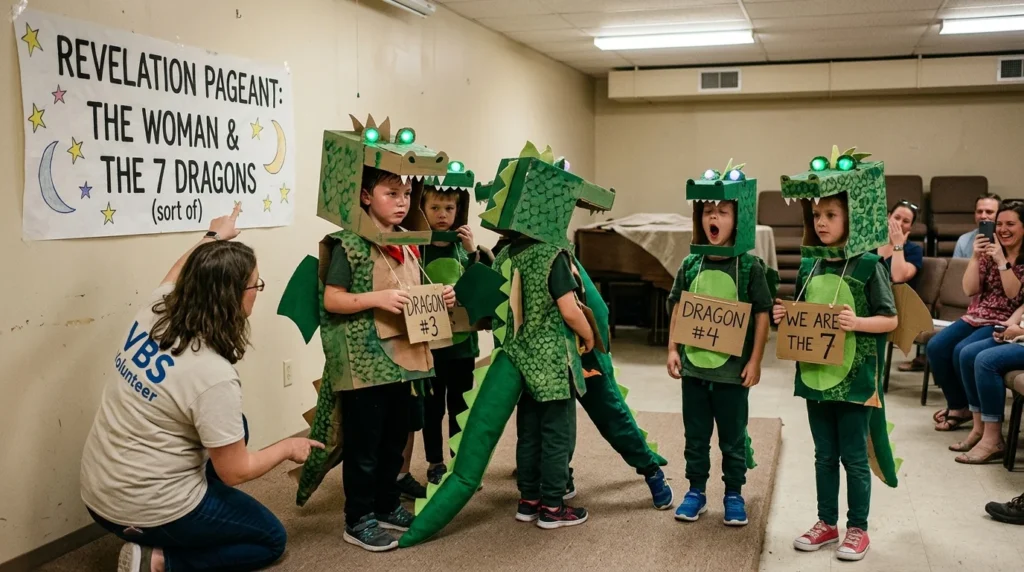
No. The Bible does not mention seven individual dragons. This idea likely comes from misunderstanding the vision of the red dragon with seven heads in Revelation 12.
What Is Leviathan?
Leviathan appears in Job 41, Psalm 74, and Isaiah 27. Depending on the passage, it may refer to a powerful sea creature, poetic imagery of chaos, or a symbol of evil that God alone can conquer.
Why Does Revelation Use Dragon Imagery?
Revelation is an apocalyptic book filled with symbolic visions. The dragon represents Satan’s rebellion against God and his attempts to oppose God’s people. The imagery communicates spiritual truth rather than describing literal dragons roaming the earth.
Dealing With Negative or Troubling Signs
Some people become fearful after reading about dragons, beasts, or apocalyptic visions in Scripture. The Bible’s purpose is not to frighten believers but to strengthen their faith in God’s sovereign control.
Begin by reading Psalm 91, which reminds us that God is our refuge and fortress. His protection extends over all who trust in Him.
Next, put on the Armor of God described in Ephesians 6:10–18. Truth, righteousness, faith, salvation, and the Word of God equip believers to stand firm against spiritual opposition.
Avoid becoming consumed by speculation about end-times symbols or internet theories. Instead, focus on what Scripture clearly teaches: Christ has defeated sin and death, and He will one day fully establish His kingdom.
If prophetic passages leave you confused or anxious, seek guidance from a trusted pastor, Bible teacher, or mature Christian mentor who can help you interpret Scripture responsibly and in context.
Faith-Based Action Steps
Pray for Confidence in Christ
Prayer:
“Heavenly Father, thank You for reminding me that You are greater than every power of evil. Help me trust Your Word instead of fear. Strengthen my faith, give me wisdom as I study Scripture, and help me keep my eyes fixed on Jesus, who has overcome the world. In His name, Amen.”
Study Scripture in Context
Ask yourself:
- Am I reading prophetic passages carefully and in context?
- Do I focus more on Christ’s victory than on fearful speculation?
- How can I grow in my understanding of biblical symbolism?
Spend time reading Revelation with the help of trusted study resources and prayer.
Learn With Other Believers
Join a Bible study or speak with your pastor about prophetic books like Daniel and Revelation. Studying these passages in community encourages balanced understanding and keeps Christ at the center.