
Biblical Background:Massah in the Bible
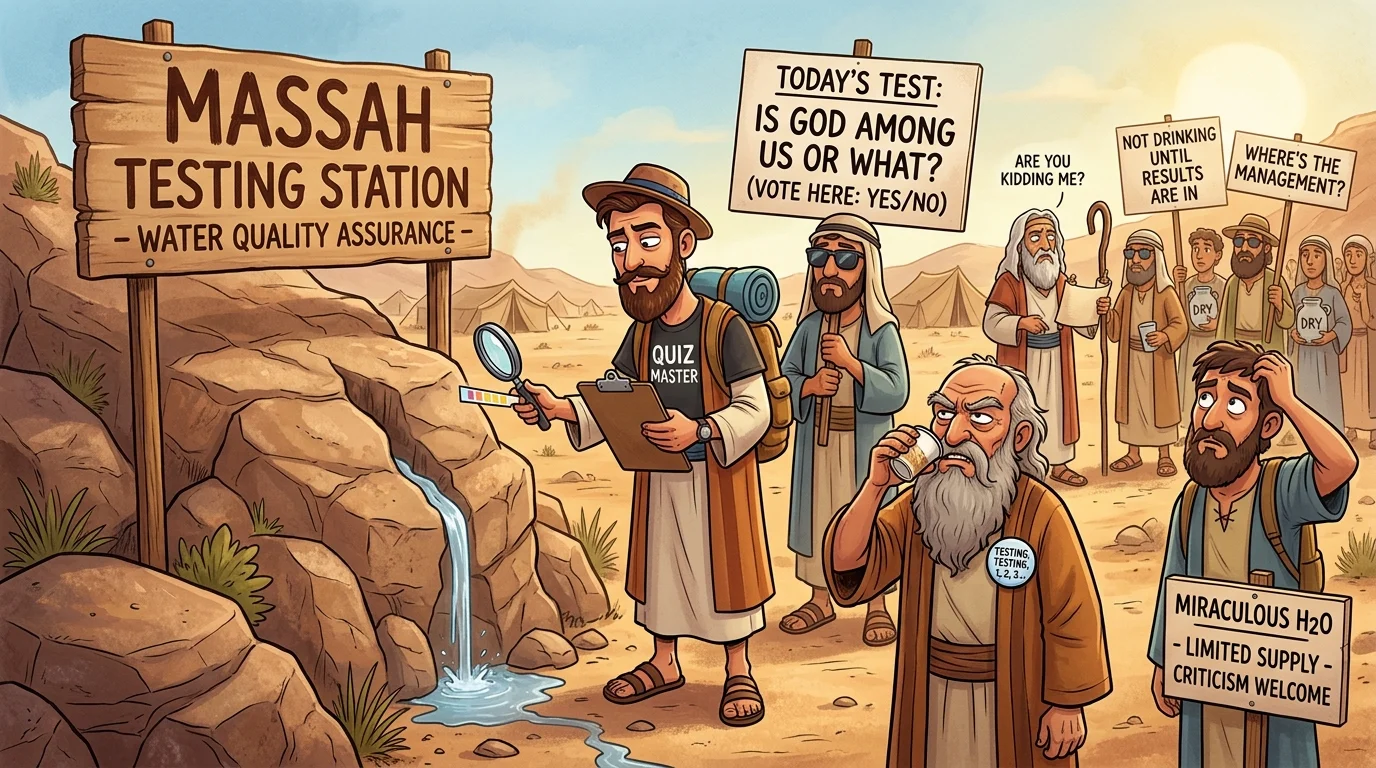
The name Massah comes from the Hebrew word מַסָּה (Massah), meaning “testing” or “trial.” It received this name after the Israelites questioned whether God was truly with them during their journey through the wilderness.
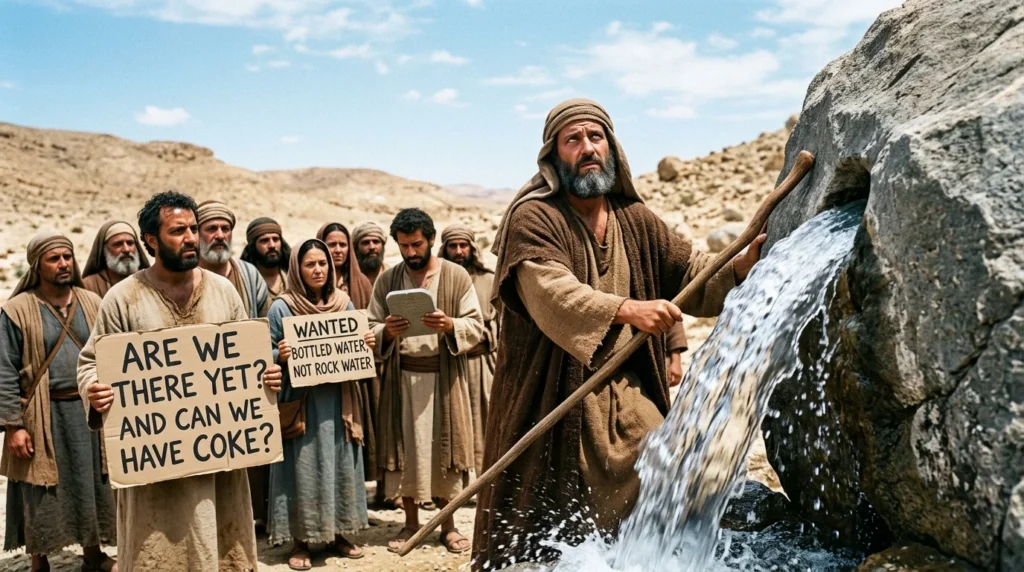
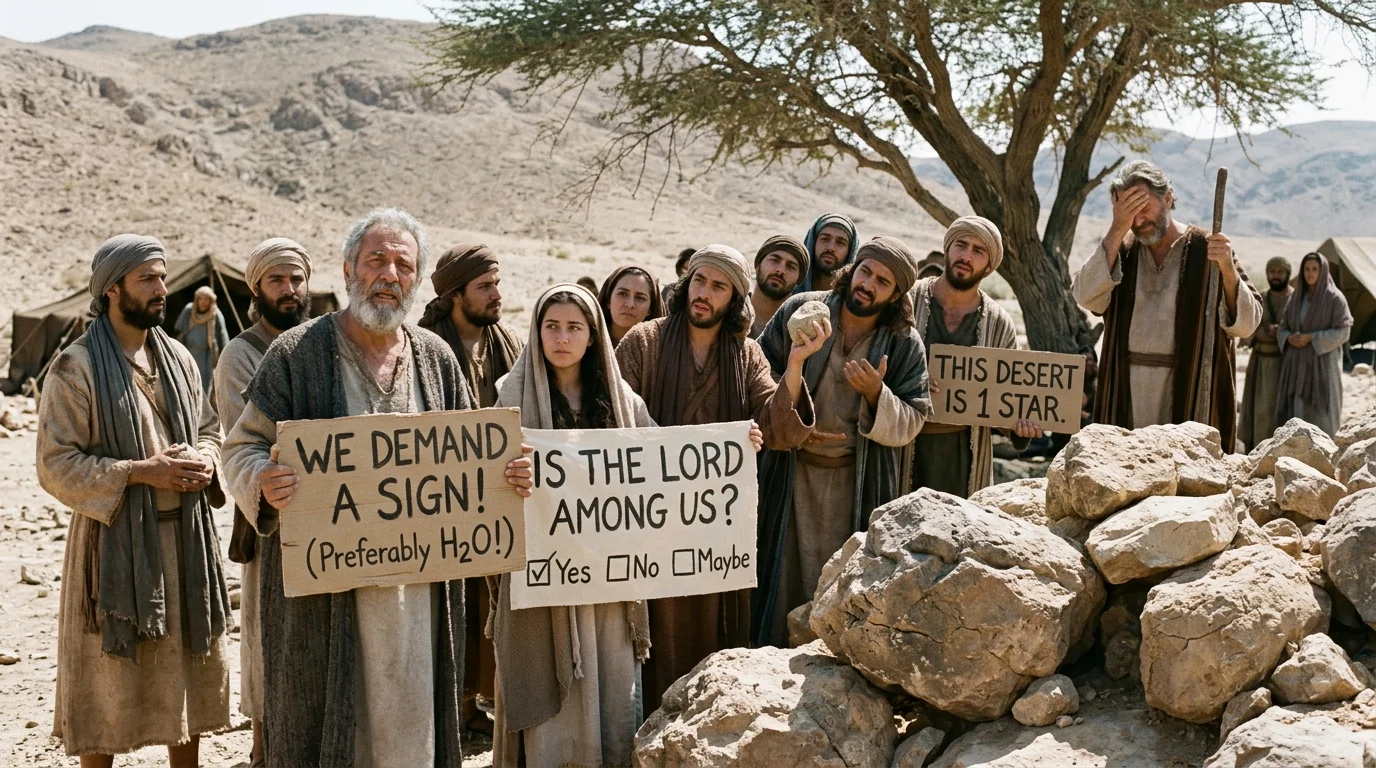
The main account is found in Exodus 17:1–7. After leaving Egypt, the Israelites camped at Rephidim, where there was no water to drink. Instead of trusting the Lord who had already delivered them through the Red Sea and provided manna from heaven, they complained against Moses and questioned God’s presence.
Exodus 17:7 (NIV) says:
“And he called the place Massah and Meribah because the Israelites quarreled and because they tested the LORD saying, ‘Is the LORD among us or not?'”
The place was also called Meribah, meaning “quarreling” or “contention.” Together, these names remembered Israel’s lack of faith during a moment of need.
Despite their complaints, God instructed Moses to strike the rock, and water flowed out for the people. This miracle demonstrated God’s compassion and faithfulness even when His people struggled with unbelief.
Key References from Core Bible Books
Exodus: The Original Account
Exodus 17:1–7 records the events at Massah and Meribah.
Exodus is essential because it shows both Israel’s failure to trust God and His gracious provision through the miracle of water from the rock.
Psalms: A Warning Against Hard Hearts
Psalm 95:8–9 (NIV) says,
“Do not harden your hearts as you did at Meribah, as you did that day at Massah in the wilderness, where your ancestors tested me…”
The Psalms use Massah as a warning, encouraging future generations to trust God rather than repeat Israel’s mistakes.
Hebrews: Learn From Israel’s Example
Hebrews 3:7–8 (NIV) quotes Psalm 95:
“Today, if you hear his voice, do not harden your hearts as you did in the rebellion…”
Hebrews reminds Christians that unbelief can keep people from experiencing the fullness of God’s promises.
James: Trust God During Trials
James 1:2–4 (NIV) encourages believers to respond to trials with faith because perseverance produces spiritual maturity.
James helps Christians understand how difficult circumstances can strengthen faith instead of weakening it.
Spiritual Interpretations
Trust God Even When You Cannot See the Answer
Proverbs 3:5–6 (NIV)
“Trust in the LORD with all your heart and lean not on your own understanding…”
Massah teaches that faith means trusting God’s character even before we see His provision. Like Israel, believers sometimes face situations that seem impossible, yet God remains faithful.
Complaining Can Reveal a Lack of Trust
Philippians 2:14 (NIV)
“Do everything without grumbling or arguing.”
Israel’s complaints reflected fear more than faith. Christians are encouraged to bring their concerns honestly to God through prayer while continuing to trust His goodness.
God Is Faithful Despite Human Weakness
2 Timothy 2:13 (NIV)
“If we are faithless, he remains faithful, for he cannot disown himself.”
Even when Israel doubted, God provided water from the rock. His faithfulness reminds believers that His grace is greater than our failures.
Trials Can Strengthen Faith
Romans 5:3–5 (NIV)
“We also glory in our sufferings, because we know that suffering produces perseverance…”
The wilderness experience at Massah shows that difficult seasons often become opportunities to grow in dependence upon God.
Variations & Related Themes
Massah and Meribah
Massah and Meribah are mentioned together because they describe two aspects of the same event. Massah means “testing,” while Meribah means “quarreling.” Together they remind readers of Israel’s response to hardship and God’s gracious provision.
The Rock in the Wilderness
The miracle of water flowing from the rock became an important symbol in Scripture. 1 Corinthians 10:4 explains that the spiritual rock pointed to Christ, who provides the living water that satisfies every spiritual need.
Testing God vs. Trusting God
The Bible distinguishes between faithfully bringing our needs before God and demanding that He prove Himself. Jesus quoted Deuteronomy 6:16 during His temptation, saying, “Do not put the Lord your God to the test” (Matthew 4:7), reminding believers to respond with trust rather than unbelief.
Dealing With Doubt and Spiritual Testing
Seasons of uncertainty can tempt believers to question God’s presence, just as Israel did at Massah. The Bible encourages Christians to respond differently—with faith, prayer, and dependence on the Lord.
Begin by remembering God’s protection. Psalm 91 reminds believers that God is a refuge and fortress for those who trust Him. Reading and praying through this psalm can bring comfort during fearful times.
Next, put on the armor of God described in Ephesians 6:10–18. Truth, righteousness, faith, salvation, God’s Word, and prayer equip believers to stand firm against doubt and spiritual discouragement.
Spend time in honest repentance if you recognize patterns of unbelief, bitterness, or persistent complaining. God graciously forgives those who turn to Him with humble hearts.
Finally, seek guidance from a trusted pastor, mature Christian mentor, or Bible study leader. God often uses wise believers to encourage us, answer questions, and strengthen our faith during seasons of testing.
Faith-Based Action Steps
Pray for Greater Trust
Prayer:
“Heavenly Father, forgive me for the times I have doubted Your goodness or questioned Your presence. Help me trust You even when I cannot see the outcome of my circumstances. Strengthen my faith, replace fear with confidence in Your promises, and remind me daily of Your faithfulness. Thank You for always providing what I truly need through Jesus Christ. In His name, Amen.”
Reflect on God’s Faithfulness
Ask yourself:
- What “Massah” moments have I experienced?
- How has God been faithful to me in the past?
- Am I responding to current challenges with trust or fear?
Write down ways God has answered prayers and provided for you. Revisiting His past faithfulness can strengthen your confidence for the future.
Grow Alongside Other Believers
Stay connected to a Bible-believing church where you can worship, study Scripture, and receive encouragement from mature Christians. Community helps believers remain faithful during life’s wilderness seasons.