
Biblical Background
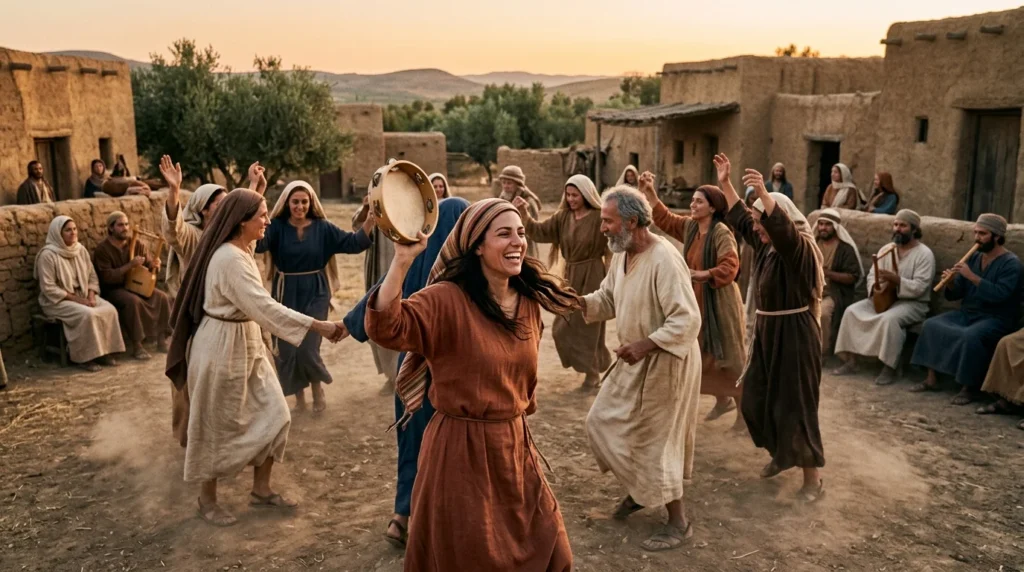
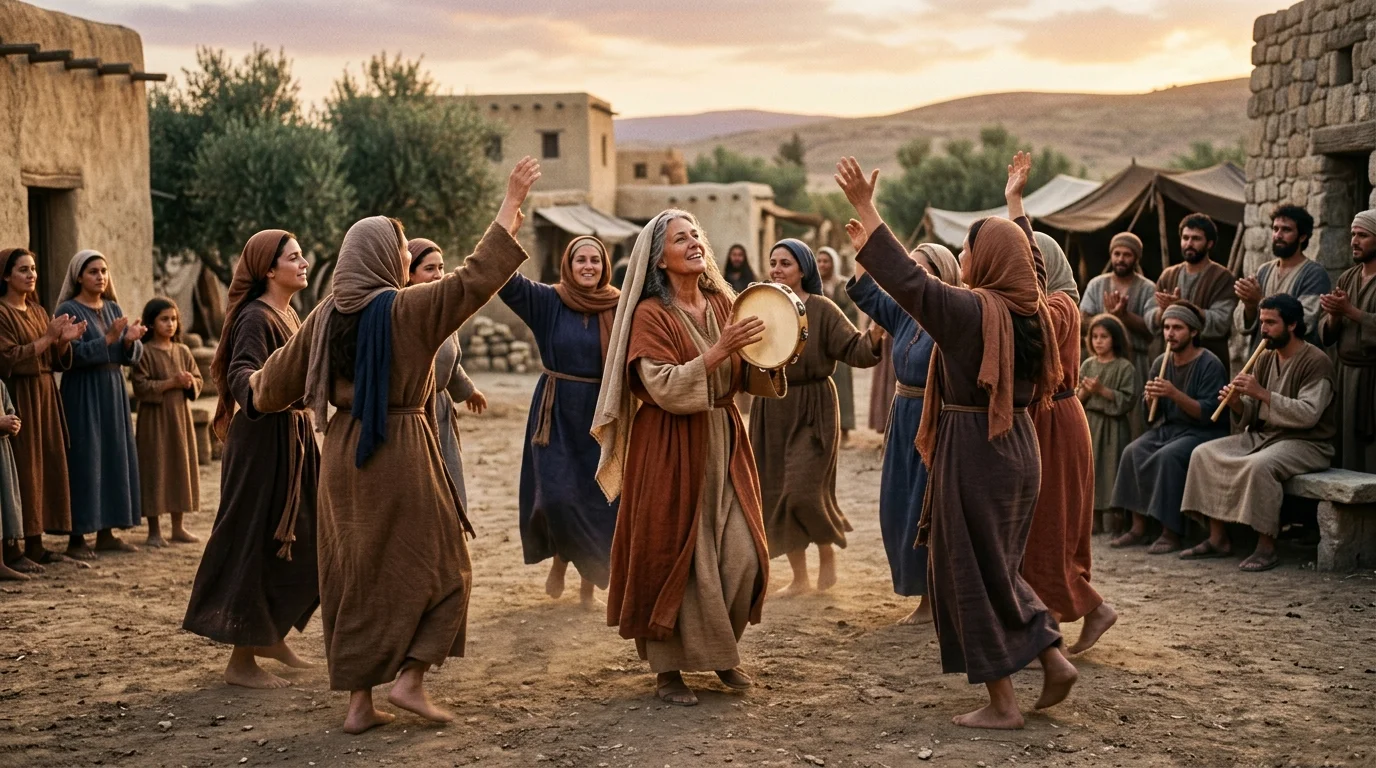
Dancing was a common part of life in ancient Israel. It often accompanied festivals, military victories, weddings, and acts of thanksgiving to God. Musical instruments such as tambourines, harps, and cymbals were frequently used alongside dancing.
One well-known passage is Psalm 149:3 (NIV):
“Let them praise his name with dancing and make music to him with timbrel and harp.”
Another is Ecclesiastes 3:4 (NIV):
“A time to weep and a time to laugh, a time to mourn and a time to dance.”
These verses show that dancing could be an appropriate expression of joy and worship.
What Does the Bible Say About Dancing?
The Bible teaches that:
- Dancing can be an expression of worship and praise.
- Dancing often celebrates God’s blessings and victories.
- Motives and circumstances matter.
- Worship should honor God with reverence and sincerity.
- Believers should avoid forms of entertainment that promote sin or temptation.
Key Bible Verses About Dancing
Psalm 149:3 – Praise with Dancing
Verse:
“Let them praise his name with dancing and make music to him with timbrel and harp.” — Psalm 149:3 (NIV)
Meaning
This verse encourages God’s people to express joyful worship through music and dance.
Psalm 150:4 – Worship the Lord
Verse:
“Praise him with timbrel and dancing, praise him with the strings and pipe.”
Meaning
Dance is included among the many ways God’s people can praise Him.
Ecclesiastes 3:4 – A Time to Dance
Verse:
“A time to weep and a time to laugh, a time to mourn and a time to dance.”
Meaning
Life includes different seasons, and joyful celebration has its proper place.
2 Samuel 6:14 – David Danced Before the Lord
Verse:
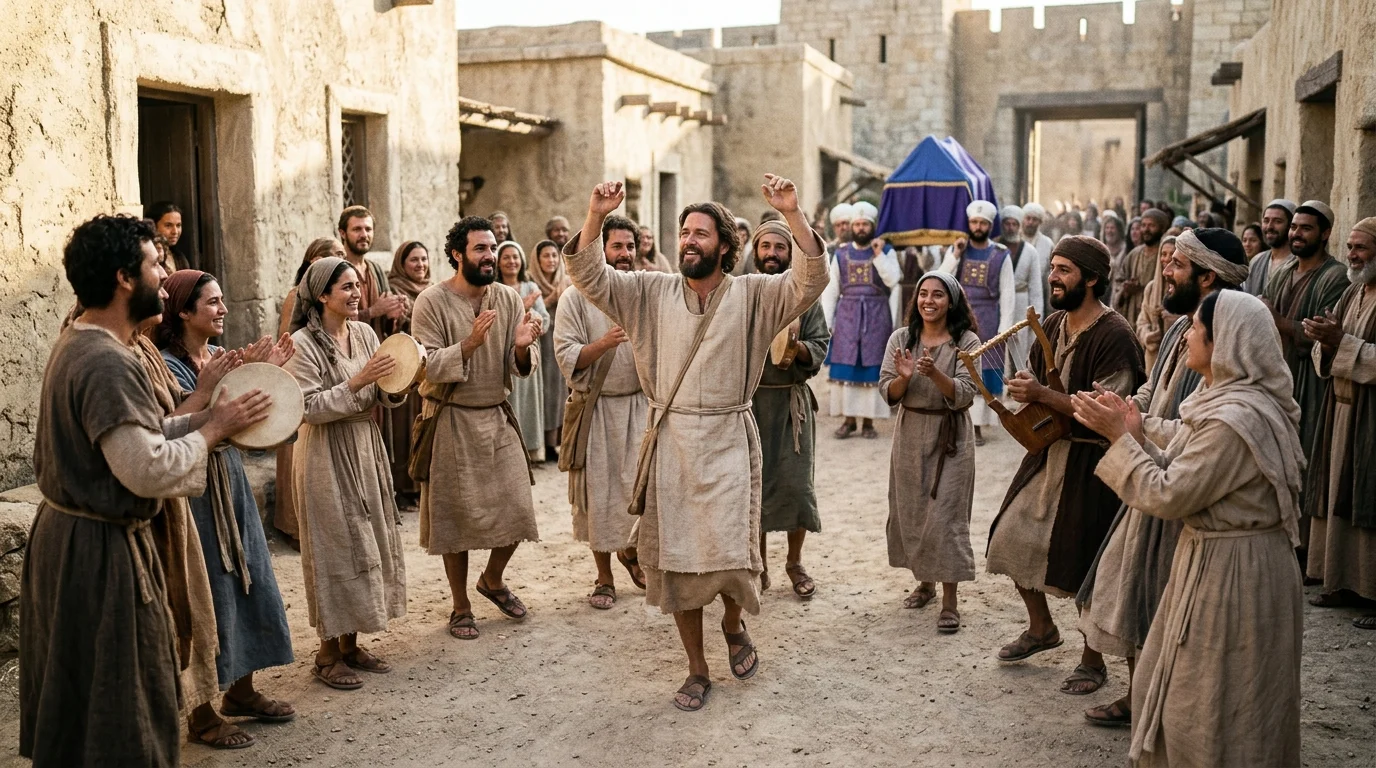
“Wearing a linen ephod, David was dancing before the LORD with all his might.”
Meaning
King David celebrated God’s presence with wholehearted joy and humility.
Exodus 15:20–21 – Miriam’s Dance
Verse:
“Then Miriam the prophet… took a timbrel in her hand, and all the women followed her, with timbrels and dancing.”
Meaning
Miriam led the women of Israel in joyful celebration after God delivered them through the Red Sea.
Luke 15:25 – Celebration in the Parable
Verse:
“There was music and dancing.”
Meaning
In the parable of the prodigal son, dancing was part of the celebration over a son’s return.
Examples of Dancing in the Bible
Miriam Celebrated God’s Deliverance
After Israel crossed the Red Sea, Miriam and the women praised God with singing and dancing.
Lesson
Celebrate God’s faithfulness with gratitude.
David Worshiped Before the Lord
David danced as the Ark of the Covenant was brought to Jerusalem.
Lesson
True worship comes from a humble heart focused on God rather than on public approval.
The Prodigal Son’s Celebration
Jesus described music and dancing as part of the joyful celebration when the lost son returned home.
Lesson
Heaven rejoices when sinners repent and return to God.
Negative Examples of Dancing
The Bible also records occasions where dancing was connected with sinful behavior.
The Golden Calf
In Exodus 32, the Israelites celebrated around the golden calf in an act of idolatry.
Herod’s Banquet
In Matthew 14:6–11, a dance at Herod’s birthday feast became part of the events that led to the execution of John the Baptist.
These examples show that the Bible does not approve of every kind of dancing. The purpose, setting, and heart behind the action are important.
Should Christians Dance Today?
Christians hold different views on dancing based on their traditions and interpretation of Scripture. However, many agree on these biblical principles:
- Honor God in everything you do.
- Avoid behavior that leads to sin or temptation.
- Let worship be sincere and focused on God.
- Use wisdom and self-control in all forms of celebration.
Frequently Asked Questions
Does the Bible say dancing is a sin?
No. The Bible does not teach that dancing itself is sinful. It records many positive examples of dancing in worship and celebration, while also warning against sinful behavior associated with certain events.
Who danced in the Bible?
Notable examples include Miriam, King David, and the celebration in Jesus’ parable of the prodigal son.
What is the most famous Bible verse about dancing?
Psalm 149:3 and 2 Samuel 6:14 are among the best-known passages about dancing.
Why did David dance before the Lord?
David danced to celebrate God’s presence as the Ark of the Covenant was brought to Jerusalem.
Can dancing be an act of worship?
Several passages in the Psalms present dancing as one way God’s people expressed praise and thanksgiving to Him.
Why do some Christians avoid dancing?
Some Christians believe certain forms of dancing or environments may encourage temptation or distract from holy living. Their convictions are based on biblical principles of purity and wisdom rather than a direct prohibition against all dancing.
Faith-Based Action Steps
Prayer
“Heavenly Father, thank You for the joy that comes from knowing You. Help me worship You with sincerity, gratitude, and reverence. Give me wisdom to honor You in every celebration and every activity. May my life bring glory to Your name in all that I do. In Jesus’ name, Amen.”
Worship with Joy
Express your gratitude to God through worship, prayer, singing, and other Christ-centered acts of praise.
Study the Context
Read the passages about dancing in their full context to understand their meaning.
Honor God in Every Action
Whether celebrating or worshiping, seek to reflect God’s holiness, love, and wisdom.