

Biblical Background
The Bible was written over approximately 1,500 years by more than 40 human authors under the inspiration of the Holy Spirit. It contains history, poetry, prophecy, wisdom literature, letters, and apocalyptic visions. Because of this diversity, readers naturally encounter passages that seem unfamiliar or difficult.
Ancient customs, symbolic language, and cultural practices often make certain verses appear strange to modern readers. For example, prophetic books like Ezekiel, Daniel, and Revelation contain vivid imagery intended to communicate spiritual truths rather than always describing literal events.
Scripture itself encourages believers to study God’s Word carefully. 2 Timothy 2:15 (NIV) says,
“Do your best to present yourself to God as one approved, a worker who does not need to be ashamed and who correctly handles the word of truth.”
Likewise, Acts 17:11 (NIV) praises the Bereans because they “examined the Scriptures every day” to understand God’s truth.
These passages remind us that unusual Bible verses should be approached with humility, careful study, and a desire to understand God’s message rather than simply focusing on their surprising details.
Key References from Core Bible Books
Proverbs: Seek Wisdom Before Drawing Conclusions
Proverbs 2:6 (NIV) says,
“For the LORD gives wisdom; from his mouth come knowledge and understanding.”
Proverbs teaches believers to seek God’s wisdom when reading difficult passages instead of making quick assumptions.
Ecclesiastes: God’s Ways Surpass Human Understanding
Ecclesiastes 3:11 (NIV) says,
“He has also set eternity in the human heart; yet no one can fathom what God has done from beginning to end.”
Ecclesiastes reminds readers that not every question receives an immediate answer, encouraging humility before God’s wisdom.
Hebrews: God’s Word Is Living and Active
Hebrews 4:12 (NIV) says,
“For the word of God is alive and active. Sharper than any double-edged sword…”
Hebrews emphasizes that every passage of Scripture, even challenging ones, has value for teaching and spiritual growth.
Revelation: Understanding Symbolic Language
Revelation 1:1 (NIV) introduces a book filled with symbolic visions that reveal God’s ultimate victory over evil.
Revelation helps readers recognize that some unusual Bible verses communicate truth through vivid imagery rather than literal description.
Spiritual Interpretations
God Invites Us to Study His Word Carefully
2 Timothy 2:15 (NIV)
“Do your best to present yourself to God as one approved… correctly handles the word of truth.”
Difficult passages encourage believers to slow down, study Scripture in context, and seek wisdom instead of making quick judgments.
God’s Wisdom Is Greater Than Ours
Isaiah 55:8–9 (NIV)
“For my thoughts are not your thoughts, neither are your ways my ways…”
Some Bible passages challenge our expectations because God’s perspective is infinitely greater than our own. Trusting His wisdom helps us approach Scripture with humility.
Every Part of Scripture Has Purpose
2 Timothy 3:16 (NIV)
“All Scripture is God-breathed and is useful for teaching…”
Even verses that seem unusual have a place in God’s inspired Word. They contribute to the larger story of His redemption and reveal important spiritual truths.
Jesus Is the Key to Understanding Scripture
Luke 24:27 (NIV)
“And beginning with Moses and all the Prophets, he explained to them what was said in all the Scriptures concerning himself.”
Ultimately, the Bible points to Jesus Christ. Reading difficult passages through the lens of God’s redemptive plan helps believers understand their deeper meaning.
Variations & Related Themes
Symbolic Verses
Books such as Daniel, Ezekiel, Zechariah, and Revelation contain symbolic visions involving beasts, horns, scrolls, and heavenly scenes. These images often represent kingdoms, spiritual realities, or future events rather than ordinary historical descriptions.
Ancient Cultural Practices
Some passages describe customs that were common in the ancient Near East but unfamiliar today. Learning the historical and cultural background often explains why these verses seem unusual to modern readers.
Miracles and Extraordinary Events
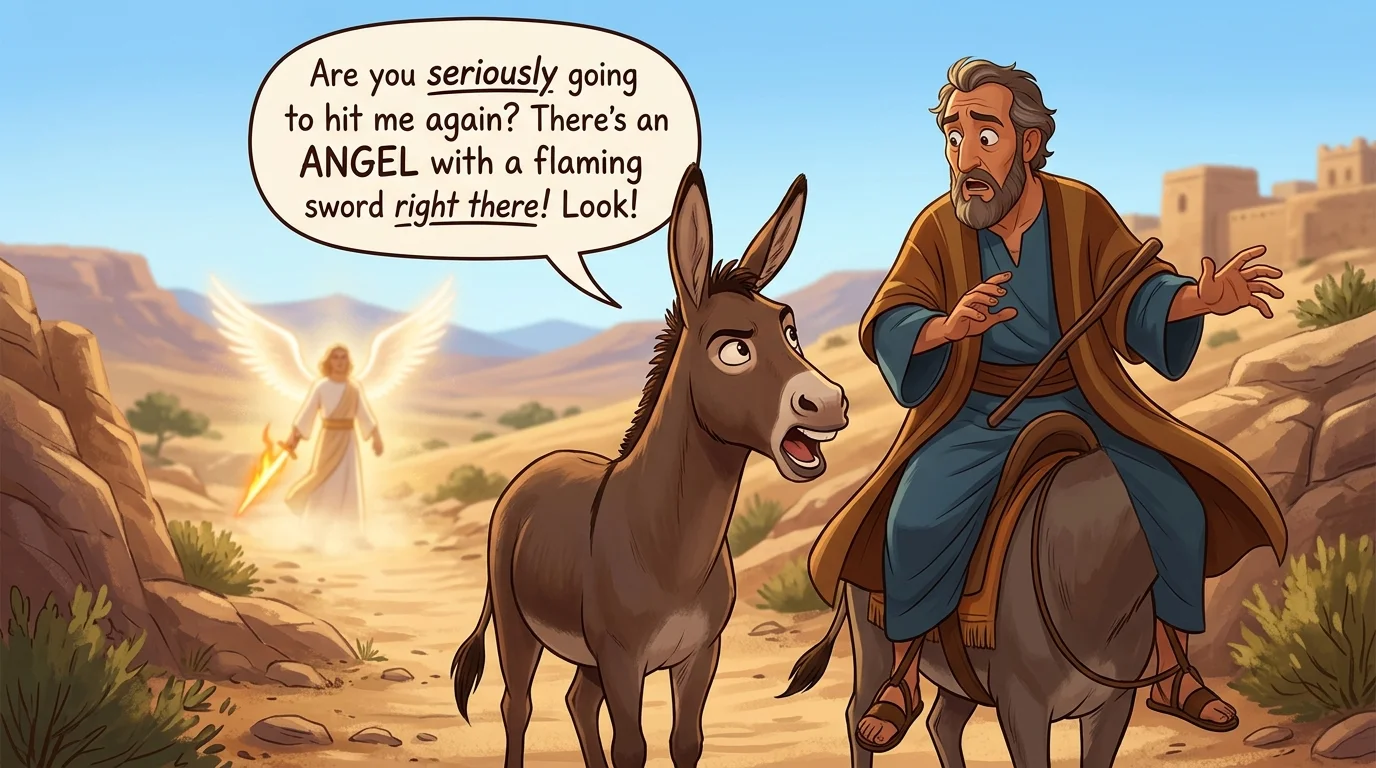
The Bible records miraculous events such as the parting of the Red Sea, Balaam’s donkey speaking (Numbers 22:28), Jonah’s time in the great fish, and Jesus walking on water. These miracles demonstrate God’s power rather than ordinary human experience.
Faith-Based Action Steps
Pray for Understanding
Prayer:
“Heavenly Father, thank You for giving us Your inspired Word. When I encounter passages that are difficult to understand, give me wisdom, patience, and humility. Help me study Scripture carefully, trust Your truth, and grow closer to Jesus through everything I read. Guide me by Your Holy Spirit and strengthen my faith each day. In Jesus’ name, Amen.”
Read Scripture in Context
Ask yourself:
- What happens before and after this verse?
- Who is speaking, and to whom?
- What historical or cultural background helps explain this passage?
- How does this passage point me toward God’s character and His plan of salvation?
Taking time to answer these questions often brings greater clarity.
Learn Alongside Other Believers
Study difficult passages with a trusted pastor, Bible study group, or mature Christian mentor. Reliable study Bibles and biblical commentaries can also provide helpful historical and theological insights while keeping Scripture in its proper context.