


Biblical Background
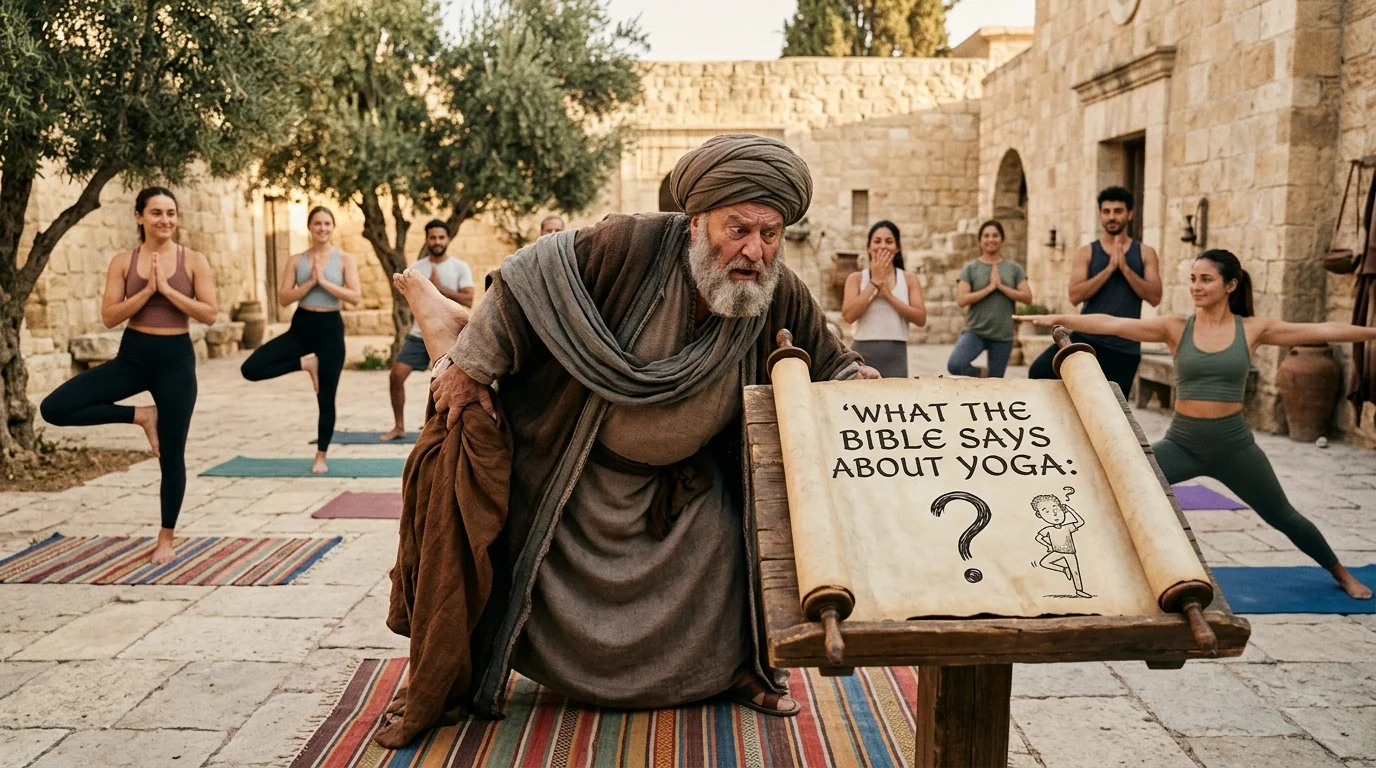
The word “yoga” does not appear anywhere in the Bible. Yoga originated thousands of years ago in India and has historically been connected with Hindu philosophical and spiritual traditions. In its traditional form, yoga is more than physical movement. It often includes meditation, breathing techniques, and spiritual concepts intended to unite the individual with a particular understanding of ultimate reality.
The Bible teaches that believers are to worship the one true God and seek spiritual growth through Jesus Christ alone. John 14:6 (NIV) records Jesus saying,
“I am the way and the truth and the life. No one comes to the Father except through me.”
Scripture also warns God’s people against participating in religious practices that lead them toward other gods or spiritual systems. Deuteronomy 6:13–14 (NIV) says,
“Fear the LORD your God, serve him only… Do not follow other gods…”
At the same time, the Bible affirms the value of caring for the body. 1 Corinthians 6:19–20 (NIV) teaches,
“Do you not know that your bodies are temples of the Holy Spirit… Therefore honor God with your bodies.”
These passages help Christians distinguish between healthy physical care and spiritual practices that may conflict with biblical faith. Rather than making assumptions, believers are called to evaluate every activity through the truth of God’s Word.
Key References from Core Bible Books
Proverbs: Seek Wisdom and Discernment
Proverbs encourages believers to pursue wisdom in every decision. Proverbs 3:5–6 (NIV) says,
“Trust in the LORD with all your heart and lean not on your own understanding; in all your ways submit to him, and he will make your paths straight.”
Proverbs is especially relevant because Christians should thoughtfully evaluate practices like yoga through biblical wisdom rather than cultural trends.
Romans: Offer Your Body to God
Paul teaches believers to dedicate every part of their lives to God. Romans 12:1–2 (NIV) says,
“Offer your bodies as a living sacrifice, holy and pleasing to God… Do not conform to the pattern of this world, but be transformed by the renewing of your mind.”
Romans reminds Christians that both physical actions and spiritual priorities should honor Christ.
1 Corinthians: Honor God With Your Body
1 Corinthians 10:31 (NIV) declares,
“So whether you eat or drink or whatever you do, do it all for the glory of God.”
This principle applies to exercise, recreation, and every other area of life. Believers should ask whether their choices glorify God and strengthen their relationship with Him.
Colossians: Stay Rooted in Christ
Paul warns believers against being led away from Christ by teachings that do not align with the gospel. Colossians 2:6–8 (NIV) says,
“So then, just as you received Christ Jesus as Lord, continue to live your lives in him… See to it that no one takes you captive through hollow and deceptive philosophy…”
Colossians reminds Christians to keep Jesus at the center of their spiritual lives.
Spiritual Interpretations
Worship Belongs to God Alone
Exodus 20:3 (NIV)
“You shall have no other gods before me.”
The Bible consistently teaches that God alone deserves our worship. If any activity includes spiritual beliefs or practices that direct devotion away from the Lord, Christians should avoid participating in those spiritual elements.
Guard Your Heart and Mind
Proverbs 4:23 (NIV)
“Above all else, guard your heart, for everything you do flows from it.”
Believers are called to examine not only what they do but also how it influences their thoughts and affections. Every practice should be evaluated in light of Scripture and its effect on our relationship with Christ.
Caring for the Body Honors God
1 Corinthians 6:19–20 (NIV)
“Do you not know that your bodies are temples of the Holy Spirit… Therefore honor God with your bodies.”
The Bible encourages wise stewardship of our physical health. Many forms of exercise—including stretching, walking, swimming, or strength training—can be good gifts when done with gratitude to God. The key question is whether the activity includes spiritual beliefs that conflict with biblical faith.
Christ Is the Source of True Peace
John 14:27 (NIV)
“Peace I leave with you; my peace I give you. I do not give to you as the world gives.”
The lasting peace believers seek is found in Jesus Christ. While physical exercise can reduce stress and improve health, our deepest spiritual peace comes through a relationship with Him.
Variations & Related Themes
Is Stretching the Same as Yoga?
Simple stretching exercises are not inherently religious. However, traditional yoga often includes spiritual philosophies, meditation techniques, or devotional elements rooted in Eastern religions. Christians should distinguish between ordinary physical movement and practices intended as spiritual disciplines outside the Christian faith.
Can Christians Exercise Without Practicing Yoga?
Absolutely. Walking, running, swimming, cycling, strength training, Pilates, and non-spiritual stretching routines are just a few of the many ways believers can care for their health while keeping Christ at the center of their lives.
What If a Yoga Class Is Presented Only as Exercise?
Some modern classes focus primarily on flexibility and fitness, while others include chanting, spiritual meditation, or religious symbolism. Christians should carefully consider the content of the class, examine their conscience before God, and seek wisdom if they are uncertain. Faithful Christians may reach different conclusions about classes that have removed explicit spiritual elements, so humility and charity are important alongside personal conviction.
Dealing With Spiritual Discernment
If you are uncertain about whether a particular yoga practice aligns with your Christian faith, begin by bringing the matter before God in prayer. Ask Him for wisdom, discernment, and a heart that desires to honor Him above all else.
Spend time reading Psalm 91, remembering that God is your refuge and protector. Your security comes from Him rather than from any spiritual technique or practice.
Next, reflect on the Armor of God in Ephesians 6:10–18. Believers are called to stand firm in truth, righteousness, faith, salvation, and the Word of God. These are the spiritual resources Christ has given His people.
If you have participated in practices that you now believe drew your attention away from Christ, confess this honestly to God. His grace is abundant, and He promises forgiveness to those who repent and seek Him sincerely.
Finally, if you remain unsure, speak with a trusted pastor or mature Christian mentor. They can help you think through biblical principles and apply them wisely to your specific situation without creating unnecessary fear or legalism.
Faith-Based Action Steps
Pray for Wisdom and Discernment
Prayer:
“Heavenly Father, thank You for caring about every part of my life. Give me wisdom to make choices that honor You and strengthen my faith. Help me guard my heart, care for my body wisely, and keep Jesus at the center of everything I do. Lead me by Your Holy Spirit and help me walk in Your truth each day. In Jesus’ name, Amen.”
Examine Your Motives
Ask yourself:
- Does this activity help me glorify God?
- Are any spiritual beliefs or practices involved that conflict with Scripture?
- Am I seeking peace primarily through Christ or through something else?
Spend time reflecting on these questions and invite God to guide your decisions.
Seek Wise Christian Community
Discuss your questions with a trusted pastor, Bible study leader, or mature believer. Christian community can provide balanced, biblical counsel and help you make decisions rooted in Scripture rather than fear or cultural pressure.