
Biblical Background:Women Deacons in the Bible
The New Testament presents deacons as servants who assist the church through practical ministry and faithful leadership.
1 Timothy 3:8–13 (NIV) outlines the qualifications for deacons, emphasizing character, integrity, and faithfulness.
Another important passage is Romans 16:1–2 (NIV):
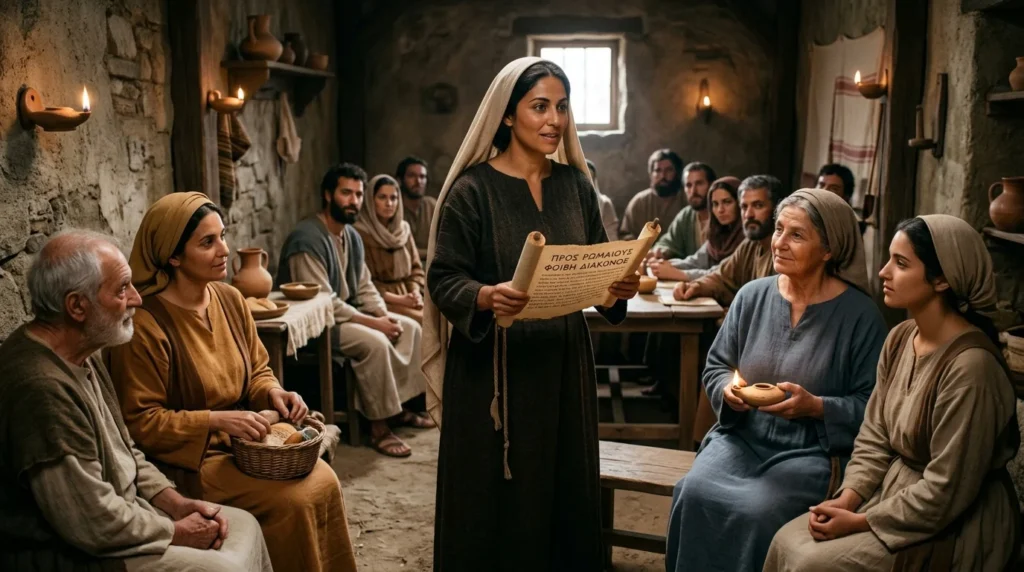
“I commend to you our sister Phoebe, a deacon of the church in Cenchreae. I ask you to receive her in the Lord in a way worthy of his people…”
This passage is central to discussions about women serving as deacons.
Who Was Phoebe?
Phoebe was a respected Christian woman from the church in Cenchreae, a port city near Corinth.
Paul described her as:
- A deacon (or servant, depending on the translation).
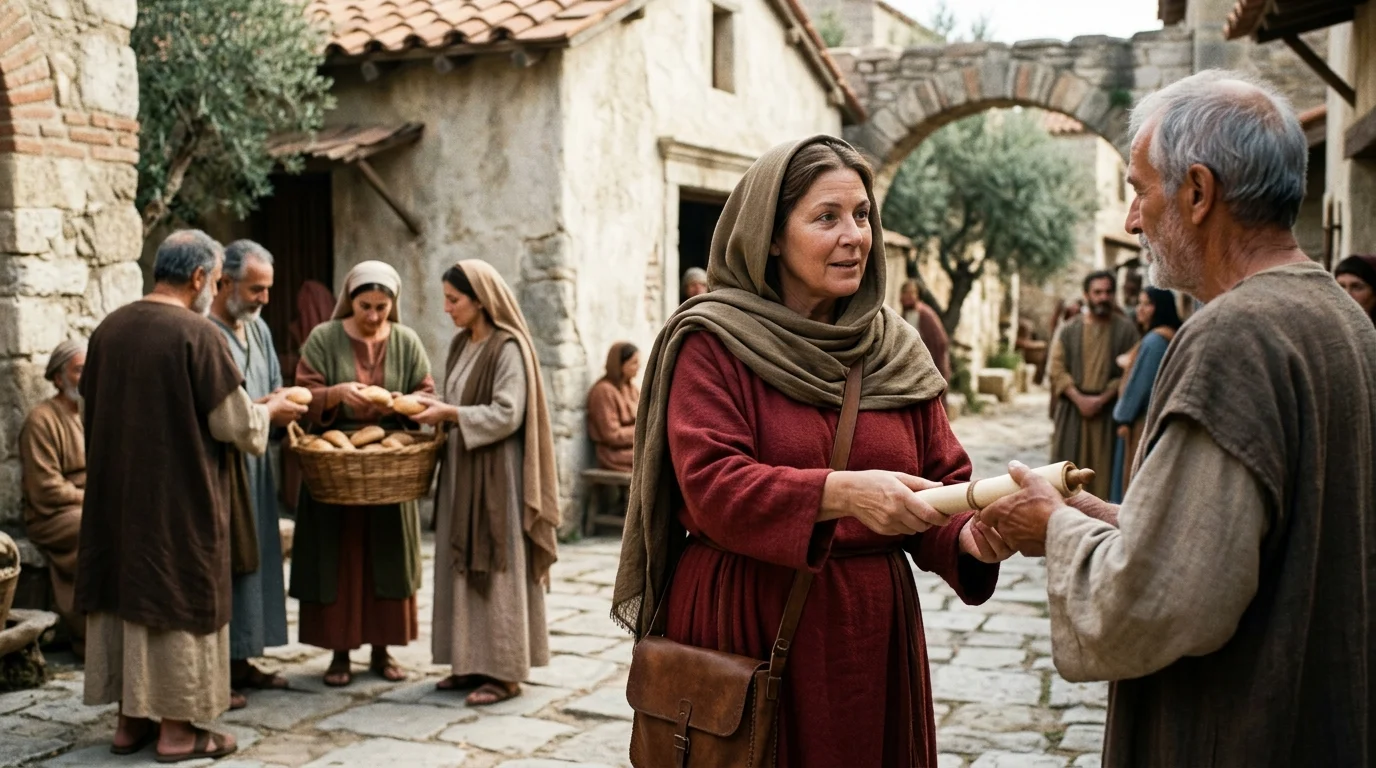
- A trusted helper of many believers.
- A supporter of Paul’s ministry.
Many scholars also believe Phoebe delivered Paul’s letter to the Christians in Rome.
Her example demonstrates that women played important roles in the ministry of the early church.
Key Bible Passages About Women Deacons
Romans 16:1–2
Verse:
“I commend to you our sister Phoebe, a deacon of the church in Cenchreae.”
Meaning
This is the strongest biblical evidence cited by those who believe women served as deacons in the early church.
1 Timothy 3:8–13
Verse:
“In the same way, the women are to be worthy of respect…”
Meaning
Some interpreters understand this verse as referring to female deacons, while others believe it refers to the wives of male deacons. The original Greek wording allows for both interpretations, which is one reason Christians differ on this issue.
Acts 6:1–6
Although the word “deacon” is not used here, many Christians view the appointment of seven servants to care for practical needs as the beginning of the church’s diaconal ministry.
Different Christian Interpretations
Faithful Christians interpret these passages in different ways.
View 1: Women Can Serve as Deacons
Supporters of this view point to:
- Phoebe being called a deacon in Romans 16:1.
- The wording of 1 Timothy 3:11.
- The significant ministry roles women fulfilled in the New Testament.
Many evangelical, Protestant, and other Christian churches hold this position.
View 2: The Office of Deacon Is Reserved for Men
Others believe:
- The qualifications in 1 Timothy 3 describe male officeholders.
- 1 Timothy 3:11 refers to the wives of deacons rather than female deacons.
- Women serve faithfully in many ministries without holding the formal office of deacon.
This position is held by many conservative evangelical and complementarian churches.
What Everyone Agrees On
Despite differing views on the office of deacon, Christians broadly agree that:
- Women were valued members of the early church.
- Women served faithfully alongside the apostles.
- God calls both men and women to serve His people.
- Every believer has spiritual gifts to build up the church.
Lessons from Phoebe’s Example
Faithful Service
Phoebe is remembered for serving both the church and fellow believers.
Generosity
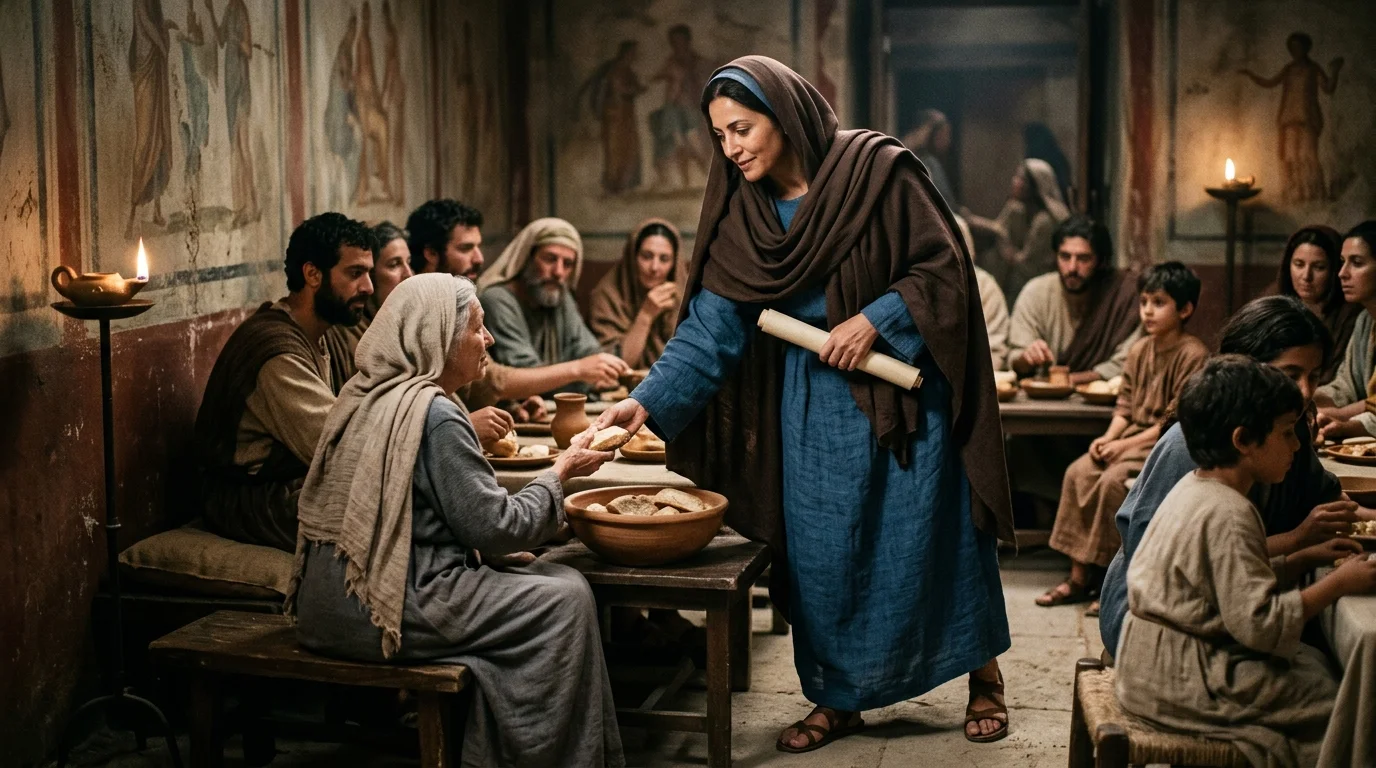
She supported many people through her resources and hospitality.
Trustworthiness
Paul entrusted her with an important responsibility.
Christian Leadership
Her example demonstrates that women made meaningful contributions to the growth of the early church.
Frequently Asked Questions
Does the Bible mention female deacons?
Yes. Romans 16:1 refers to Phoebe using the Greek word diakonos, which many Bible translations render as “deacon,” while others translate it as “servant.
Who was Phoebe in the Bible?
Phoebe was a Christian woman from the church in Cenchreae who was commended by the Apostle Paul for her faithful service.
Can women be deacons according to the Bible?
Christians hold different interpretations. Some believe Scripture supports women serving as deacons, while others believe the office is limited to qualified men.
What does 1 Timothy 3:11 mean?
Some understand the verse as referring to female deacons, while others interpret it as speaking about the wives of male deacons.
What is a deacon?
A deacon is a church servant who helps meet practical needs, supports ministry, and serves the congregation faithfully.
Why do churches disagree on this issue?
The disagreement comes from different interpretations of passages such as Romans 16 and 1 Timothy 3, rather than from disagreement about the authority of Scripture itself.
Faith-Based Action Steps
Prayer
“Heavenly Father, thank You for calling every believer to serve Your church. Give me a humble heart, wisdom to understand Your Word, and a desire to use the gifts You have given me for Your glory. Help our churches to honor You through faithful service, unity, and love. In Jesus’ name, Amen.”
Study the Scriptures
Read Romans 16 and 1 Timothy 3 carefully, considering the context of each passage.
Serve Faithfully
Look for opportunities to use your gifts to encourage others and strengthen your local church.
Pursue Unity
Approach discussions about church leadership with humility, grace, and respect for fellow believers who hold different views.