

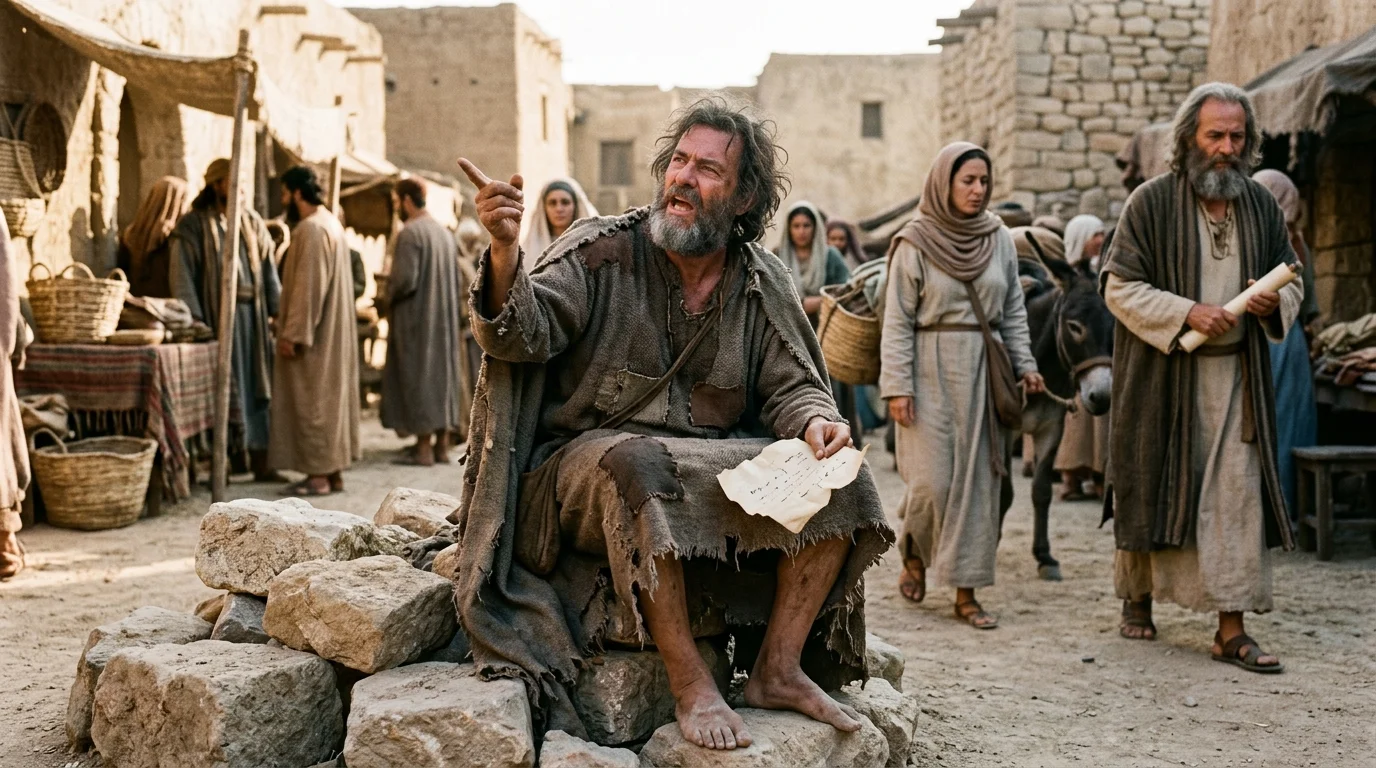
Biblical Background:Fool in the Bible
The Hebrew word often translated as “fool” in the Old Testament refers not merely to someone with limited intelligence but to a person who rejects God’s instruction and lives without regard for His truth. The emphasis is moral and spiritual rather than intellectual.
One of the best-known passages is Psalm 14:1 (NIV):
“The fool says in his heart, ‘There is no God.’ They are corrupt, their deeds are vile; there is no one who does good.”
This verse describes a person who lives as though God does not exist or has no authority over their life.
The book of Proverbs frequently contrasts the wise person with the fool.
Proverbs 1:7 (NIV) says:
“The fear of the LORD is the beginning of knowledge, but fools despise wisdom and instruction.”
These passages show that biblical wisdom begins with a humble relationship with God, while foolishness is characterized by rejecting His guidance.
Key References from Core Bible Books
Proverbs: The Contrast Between Wisdom and Foolishness
The book of Proverbs contains the Bible’s most extensive teaching on wisdom and foolishness.
Proverbs 12:15 (NIV) says:
“The way of fools seems right to them, but the wise listen to advice.”
Proverbs teaches that humility, teachability, and reverence for God lead to wise living.
Ecclesiastes: Earthly Wisdom Has Limits
Ecclesiastes 2:14 (NIV) says:
“The wise have eyes in their heads, while the fool walks in the darkness…”
Ecclesiastes reminds readers that life apart from God ultimately lacks lasting meaning, encouraging dependence on the Creator.
James: Ask God for Wisdom
James 1:5 (NIV) says:
“If any of you lacks wisdom, you should ask God, who gives generously to all…”
James reassures believers that God willingly gives wisdom to those who seek Him in faith.
Psalms: Reverence for God Leads to Wisdom
Psalm 111:10 (NIV) says:
“The fear of the LORD is the beginning of wisdom…”
Psalms emphasizes that true wisdom grows out of honoring and trusting the Lord.
Spiritual Interpretations
A Fool Rejects God’s Wisdom
Proverbs 1:7 (NIV)
“The fear of the LORD is the beginning of knowledge, but fools despise wisdom and instruction.”
The Bible teaches that foolishness begins when people ignore God’s truth. Wisdom starts with humility and a willingness to learn from Him.
Pride Leads to Foolish Choices
Proverbs 16:18 (NIV)
“Pride goes before destruction, a haughty spirit before a fall.”
Pride often convinces people they do not need God’s guidance. Scripture calls believers to humility, recognizing their dependence on the Lord.
Wisdom Is Available to Everyone
James 1:5 (NIV)
“If any of you lacks wisdom, you should ask God…”
No one is beyond God’s help. Through prayer and the guidance of Scripture, believers can grow in wisdom regardless of their past mistakes.
Jesus Calls Us to Build on His Words
Matthew 7:24–27 (NIV)
“Everyone who hears these words of mine and puts them into practice is like a wise man…”
Jesus contrasts the wise builder with the foolish one. The difference is not merely hearing God’s Word but putting it into practice.
Variations & Related Themes
The Fool in Proverbs
Proverbs describes several characteristics of a fool, including rejecting correction, speaking carelessly, acting impulsively, and trusting personal opinions over God’s wisdom. These descriptions serve as warnings, encouraging readers to choose humility instead.
The Rich Fool
In Luke 12:16–21, Jesus tells the parable of the rich fool, who stored up earthly wealth but neglected his relationship with God. The story teaches that true security is found in the Lord, not in material possessions.
Foolishness Versus Lack of Knowledge
The Bible distinguishes between someone who lacks information and someone who knowingly rejects God’s truth. Biblical foolishness is primarily a matter of the heart and one’s response to God’s instruction, not a measure of intelligence.

Faith-Based Action Steps
Pray for Wisdom
Prayer:
“Heavenly Father, thank You for the wisdom found in Your Word. Forgive me for the times I have relied on my own understanding instead of trusting You. Give me a humble heart that is eager to learn, quick to obey, and willing to receive correction. Fill me with Your wisdom through the Holy Spirit so that my life honors Jesus Christ in every decision. Amen.”
Examine Your Heart
Take a few moments to reflect:
- Am I listening to God’s Word with humility?
- Are there areas where I have resisted His guidance?
- How can I grow in wisdom through prayer, Scripture, and obedience?
Honest reflection helps us become more receptive to God’s direction.
Learn From Mature Believers
Seek guidance from your pastor, a Bible study leader, or a mature Christian mentor. God often uses the wisdom of other believers to encourage growth, provide accountability, and help us apply His Word faithfully.