
Biblical Background
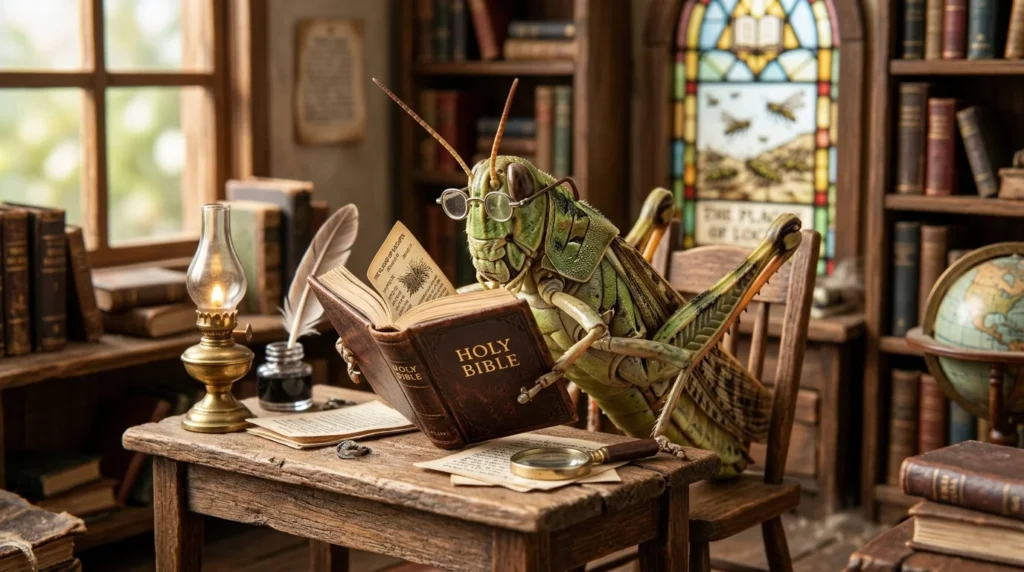
Locusts were well known throughout the ancient Near East. These insects could gather in enormous swarms, covering the sky and stripping fields, trees, and vineyards within hours. For farming communities that depended on yearly harvests, a locust invasion was one of the greatest disasters imaginable. Food shortages, economic hardship, and suffering often followed.
Because of their destructive power, God sometimes used locust plagues to demonstrate His authority. One of the best-known examples appears in Exodus 10:12–15, where God sent locusts upon Egypt as the eighth plague. This judgment showed Pharaoh that the Lord alone rules over creation and the nations.
The prophet Joel also described a devastating locust invasion in Joel 1:4. Whether Joel referred to an actual plague, a symbolic warning, or both, his message called God’s people to repentance. Rather than focusing only on the insects, Joel emphasized the spiritual condition of the nation.
Yet the Bible does not present locusts only as symbols of destruction. John the Baptist lived simply in the wilderness, eating “locusts and wild honey” (Matthew 3:4). His lifestyle reflected humility, dependence on God, and wholehearted devotion to preparing people for the coming Messiah.
Throughout Scripture, locusts remind believers that God is both holy and merciful. He disciplines those He loves, but He also welcomes those who return to Him with sincere hearts.
Key References from Core Locust Bible Books
Joel: A Call to Repentance and Restoration
The book of Joel is central to understanding the biblical meaning of locusts. Joel 1:4 describes overwhelming destruction, while Joel 2:25 contains God’s gracious promise: “I will repay you for the years the locusts have eaten” (NIV). Joel teaches that repentance opens the door to God’s restoration.
Exodus: God’s Sovereignty Over Nations
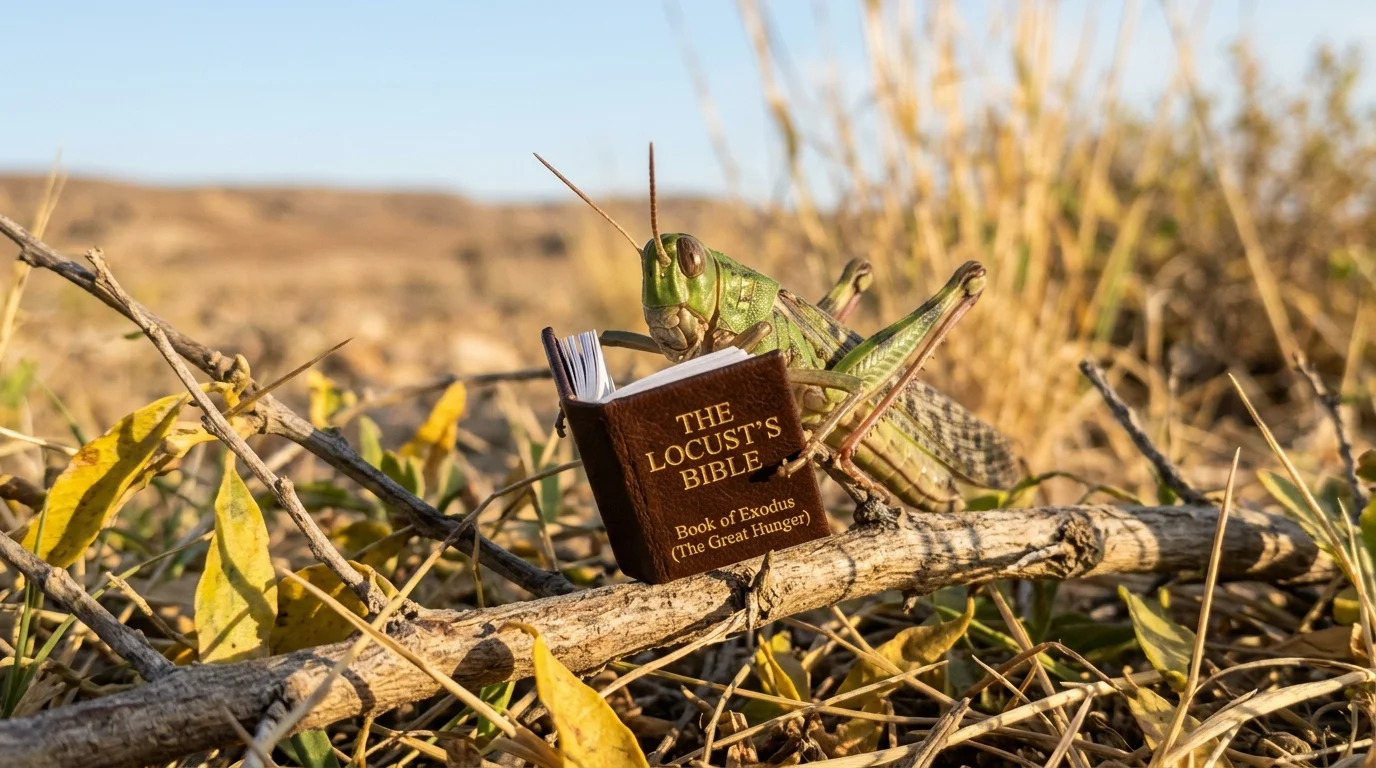
Although Exodus is not in the priority list, it provides the historical foundation for the symbolism of locusts. In Exodus 10:12–15, God demonstrated His supreme power by sending a locust plague upon Egypt. This reminds readers that nothing in creation operates outside God’s authority.
Psalms: Hope During Seasons of Loss
The Psalms help believers respond when life feels stripped bare. Psalm 91:1–2 reminds God’s people that they can find refuge under His protection even during hardship. While trials may come, God’s presence remains constant.
Proverbs: Choosing Wisdom Over Sin
Proverbs 3:5–6 encourages believers to trust the Lord instead of relying on their own understanding. The lessons connected with locusts invite Christians to examine their hearts and walk wisely with God before spiritual decline takes root.
James: Genuine Repentance Produces Change
James connects faith with obedient living. James 4:8 says, “Come near to God and he will come near to you.” This message reflects Joel’s call for repentance. God welcomes those who sincerely turn back to Him.
Revelation: Symbolic Spiritual Imagery
The book of Revelation uses locust-like creatures in Revelation 9:3–11 as part of a symbolic vision of judgment. Revelation reminds believers that God remains in control of history and that His justice will ultimately prevail.
Spiritual Interpretations
Locusts Can Be a Wake-Up Call to Return to God
“Even now,” declares the Lord, “return to me with all your heart, with fasting and weeping and mourning.” — Joel 2:12 (NIV)
Locusts often remind readers that God lovingly calls His people back when they drift away. His discipline is never meant to destroy those who belong to Him but to restore their relationship with Him. When believers recognize areas where they have become spiritually distant, they can respond with repentance instead of fear. God’s invitation is always filled with grace for those who seek Him sincerely.
God Can Restore What Has Been Lost
“I will repay you for the years the locusts have eaten.” — Joel 2:25 (NIV)
Perhaps one of the most comforting promises in Scripture is God’s assurance of restoration. Many people experience seasons marked by loss, disappointment, or wasted opportunities. While the past cannot be changed, God is able to bring healing, renewed purpose, and unexpected blessings. His restoration often reaches beyond material things and transforms the heart.
God Remains Sovereign Even During Difficult Seasons
“The Lord has established his throne in heaven, and his kingdom rules over all.” — Psalm 103:19 (NIV)
Locust invasions remind believers that the world is not governed by chance. Even when circumstances seem overwhelming, God remains King. Christians can trust that He is working according to His perfect wisdom. This confidence gives peace during seasons of uncertainty and encourages faithful endurance.
Spiritual Readiness Matters More Than Earthly Comfort
“His clothes were made of camel’s hair… His food was locusts and wild honey.” — Matthew 3:4 (NIV)
John the Baptist’s diet shows that locusts do not always symbolize judgment. His simple lifestyle demonstrated contentment and wholehearted devotion to God’s calling. Christians today can learn that spiritual priorities matter more than worldly comfort. A life focused on Christ brings lasting joy that possessions cannot provide.
Variations & Related Themes
The meaning of locusts changes depending on the biblical context. In historical passages like Exodus 10, they represent God’s judgment against persistent rebellion. In Joel, they become both a warning and a promise of restoration after repentance.
In Revelation 9, locust-like creatures appear as symbolic figures within prophetic visions. Rather than describing ordinary insects, the passage points to spiritual realities connected with God’s final judgment. Readers should approach these visions carefully, recognizing the symbolic nature of apocalyptic literature.
John the Baptist presents another variation. His eating of locusts in Matthew 3:4 reflects a life of simplicity, obedience, and preparation for Christ rather than punishment or disaster. These different contexts remind believers that Scripture should always be interpreted within its immediate setting.
Dealing With Negative or Troubling Signs
Some people become anxious after dreaming about locusts or seeing repeated references to them. While the Bible acknowledges that locusts can symbolize judgment, Christians should avoid assuming that every personal experience carries a direct prophetic message. God’s Word remains the believer’s primary guide for truth and discernment.
Begin by bringing every concern before the Lord in prayer. Psalm 91:1–2 reminds believers that those who dwell in God’s shelter find safety under His care. His protection is greater than any fear that may trouble the heart.
Next, put on the full armor of God as described in Ephesians 6:10–18. Truth, righteousness, faith, salvation, God’s Word, and continual prayer strengthen believers against spiritual attacks and discouragement.
Take time to examine your heart. If the Holy Spirit reveals unconfessed sin, respond with honest repentance, knowing that God delights in forgiving those who turn to Him through Christ.
Finally, seek wisdom from a trusted pastor or mature Christian mentor if you remain uncertain. God often provides guidance through faithful believers who can help you interpret Scripture wisely and encourage your walk with Him.
Faith-Based Action Steps
Pray for God’s Wisdom and Peace
You can pray:
“Heavenly Father, thank You for Your Word that guides my life. Help me understand the lessons You want to teach me. If there are areas where I need to repent, give me a willing heart. Restore what has been broken according to Your perfect will. Protect me from fear, strengthen my faith, and help me trust Your goodness every day. In the name of Jesus Christ, Amen.”
Reflect Honestly Before God
Spend time reading Joel 2 and ask yourself whether there are habits, attitudes, or priorities that need to change. Write your thoughts in a journal and thank God for His forgiveness through Jesus Christ. Remember that repentance is not about earning God’s love but responding to the grace He has already shown.
Walk with Other Believers
God never intended Christians to grow alone. Join a Bible study, remain active in your local church, and seek regular encouragement from mature believers. Faith grows stronger through worship, fellowship, prayer, and faithful teaching of God’s Word.